What’s the Cost of Living in Kissimmee, FL?
The cost of living in Kissimmee, FL is one of the biggest reasons people consider the area in the first place. Compared to larger Florida metros, Kissimmee remains relatively affordable, but rising housing costs, insurance rates, and population growth are reshaping how residents think about space, housing, and long-term planning.
Understanding where expenses stand today helps residents make smarter decisions about whether to move, stay put, or adapt their current living situation.
How Kissimmee Compares Nationally
Overall, Kissimmee’s cost of living sits at about
3 percent below the national average, according to the Council for Community and Economic Research. That relative affordability has helped attract new residents, especially families and workers priced out of other parts of Central Florida.
Groceries and healthcare costs track closely with national averages, while transportation costs tend to be slightly lower due to shorter average commute distances within the metro area. According to the U.S. Census Bureau, the average commute time in Kissimmee is about 29 minutes, slightly below the national average.
That balance keeps everyday expenses manageable, but housing and insurance tell a different story.
Housing Costs Are the Biggest Shift
Housing is where residents feel the most pressure. Median rent in Kissimmee now averages around
$1,650 per month for a one-bedroom apartment, an increase of more than
25 percent since 2021
as demand has surged across Central Florida.
Home prices have followed a similar upward path. The median home value in Kissimmee now sits around $315,000, still lower than Orlando proper but significantly higher than just a few years ago.
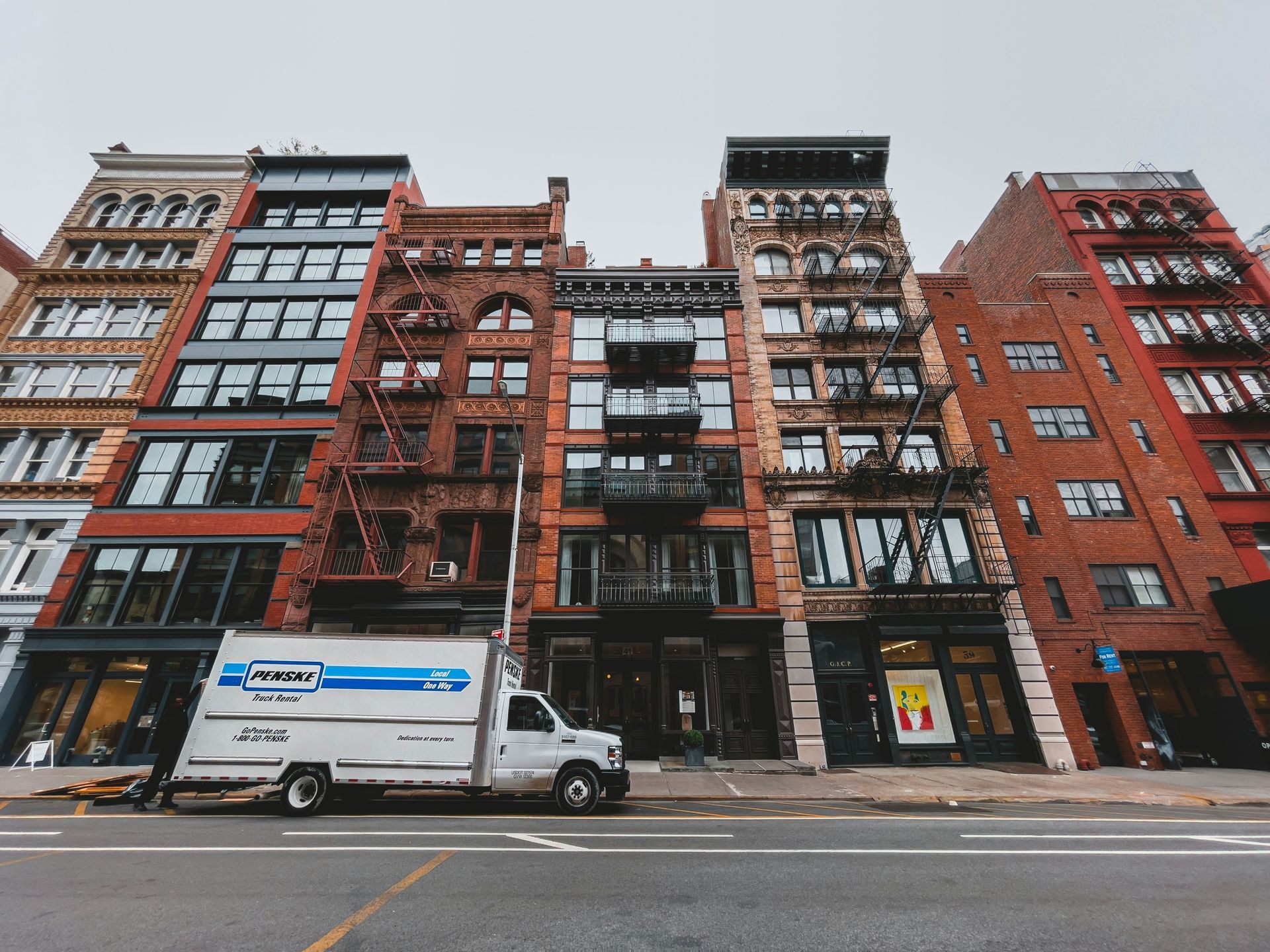
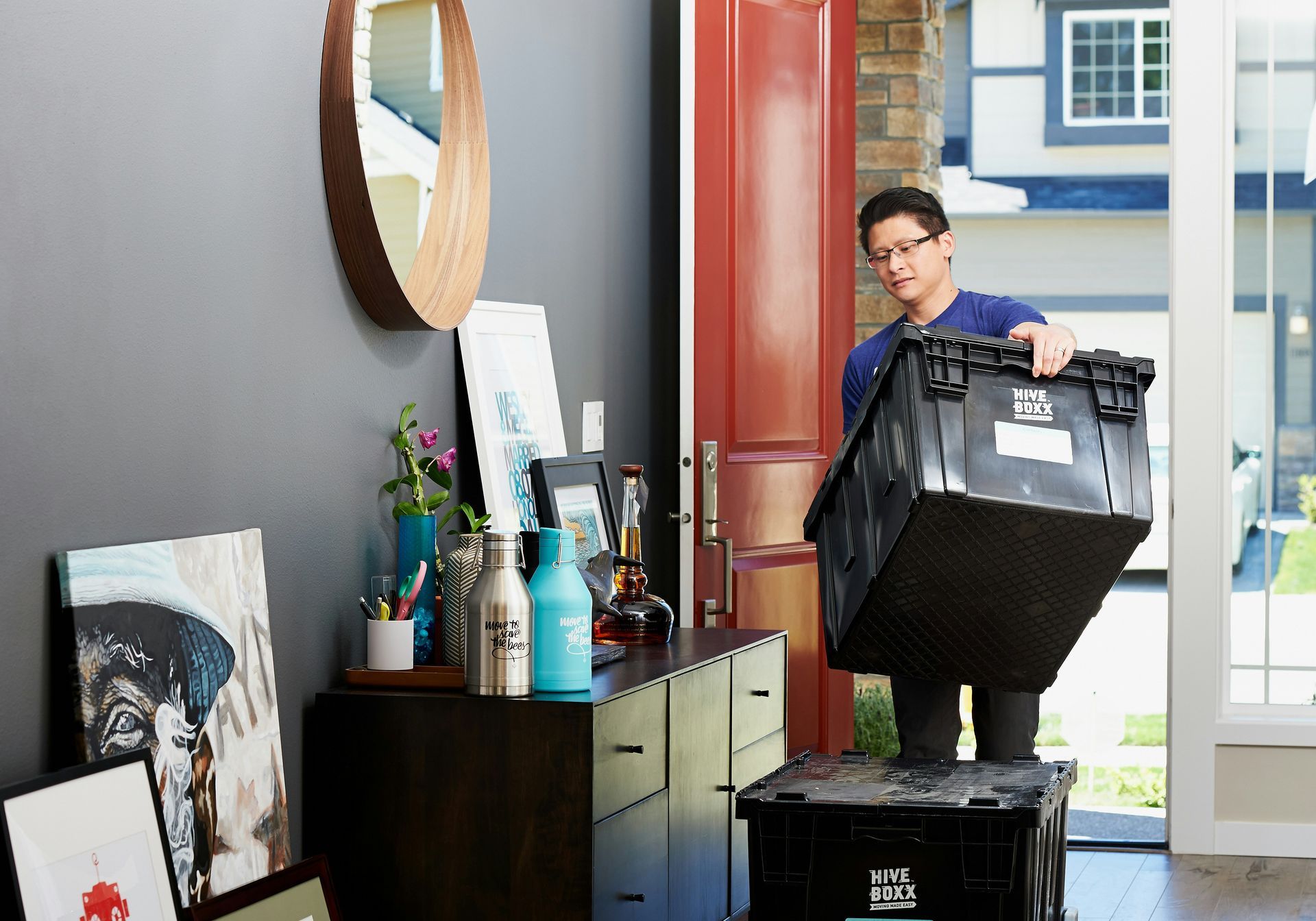
With higher mortgage rates layered on top of rising prices, many residents are choosing to stay in their current homes rather than move again. Downsizing, shared living arrangements, and renovations are increasingly common as households look for ways to make existing space work longer.
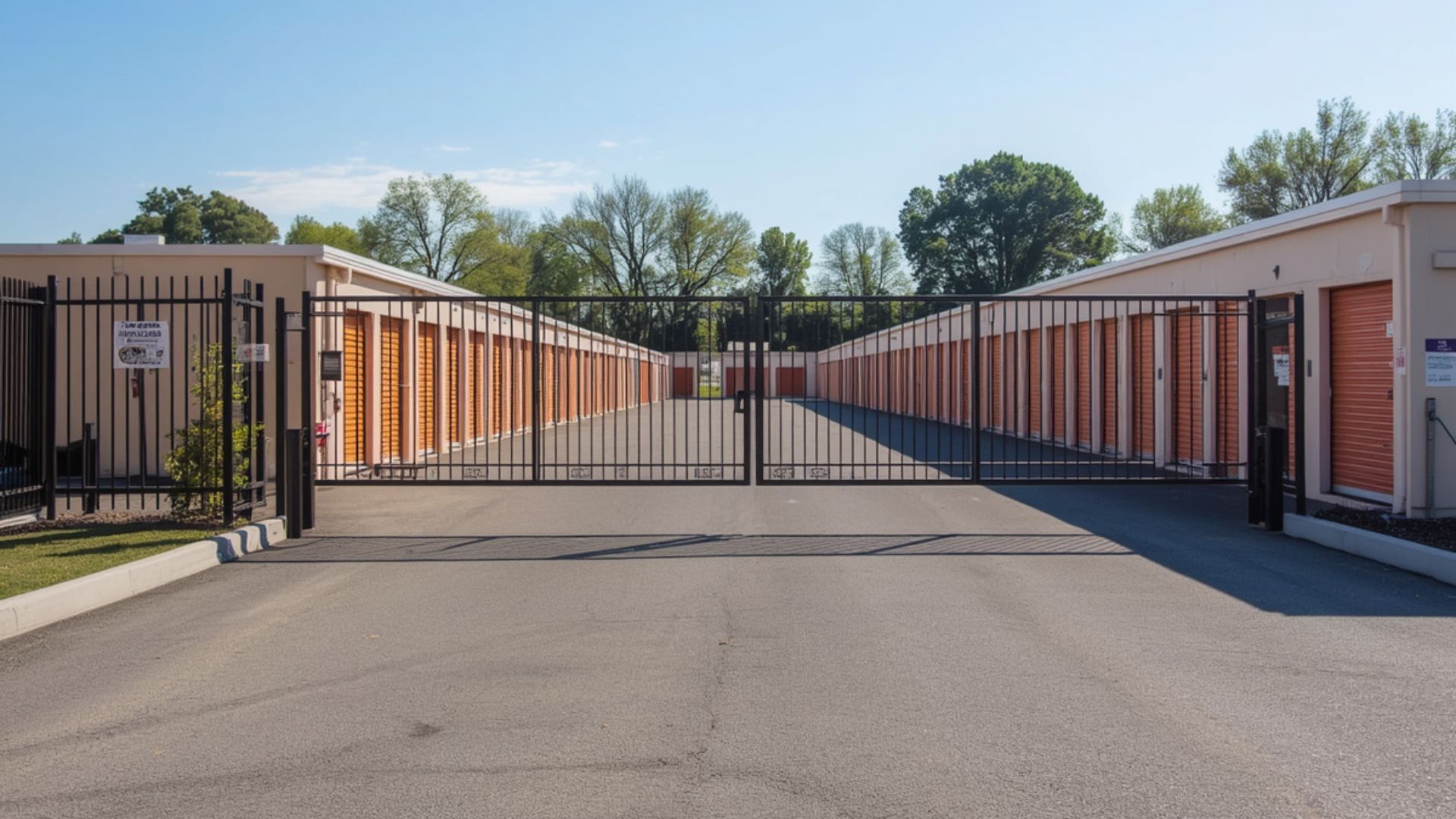
Storage often becomes part of that equation, especially when space needs fluctuate during life transitions. Many residents turn to practical guidance like downsizing, here’s how self storage can make it easier to manage belongings without committing to a more expensive home.
Utilities, Insurance, and Everyday Expenses
Housing is not the only cost rising for Kissimmee residents. Insurance, utilities, and everyday expenses quietly add pressure to monthly budgets.
Florida homeowners are facing some of the highest insurance premiums in the country. The average annual homeowners insurance premium in Florida now exceeds $6,000, more than three times the national average. These increases are driven by hurricane exposure, flooding risk, and rising rebuilding costs.
Utility costs in Kissimmee remain closer to national averages, but seasonal spikes are common. According to the U.S. Energy Information Administration, Florida households spend an average of $1,700 per year on electricity, largely due to air conditioning demand during long, hot summers.
Water, sewer, and waste costs have also trended upward as Osceola County expands infrastructure to support population growth. Combined with insurance and housing costs, these recurring expenses leave many households with less financial flexibility than they had just a few years ago.
Why Storage Helps Manage Rising Costs
As the cost of living in Kissimmee, FL rises, residents are becoming more intentional about how they use space. Storage allows people to delay costly moves, protect valuable belongings, and keep homes functional during transitions without increasing monthly housing payments.
Instead of upgrading to a larger home, many residents store seasonal items, excess furniture, or long-term belongings off-site. Using storage efficiently matters, especially when costs are rising. Resources like top tips for organizing your storage unit for maximum space help residents avoid paying for more space than they actually need.
For items like furniture, electronics, and household goods, choosing the right unit type is also important. Florida’s humidity can damage sensitive belongings over time, which is why many locals rely on guidance like
climate-controlled vs non-climate-controlled units to protect their items properly.
Storage as a Local Planning Tool
Storage is no longer just for moves. In Kissimmee, it has become a planning tool for families, renters, and homeowners navigating higher costs. Whether someone is downsizing, renovating, or simply trying to keep monthly expenses stable, storage provides flexibility without forcing major lifestyle changes.
You can view available options at the
Kissimmee self storage facility before getting started. A little planning before move-in can save a lot of frustration down the road.
Adapting Instead of Leaving
The cost of living in Kissimmee is rising, but it remains more accessible than many Florida cities. Instead of leaving, residents are adapting by using space more efficiently, making homes work longer, and leaning on storage as a practical support tool.
For many households, that balance is what makes living in Kissimmee not just affordable, but sustainable.